Religion and ethics are distinct yet deeply intertwined ways humans make sense of right and wrong. Religion supplies a narrative framework—stories, scriptures, rituals, and a vision of ultimate reality—that shapes moral imagination, defines virtues, and names obligations. Ethics supplies methods for clarifying duties, weighing competing goods, and translating moral insight into consistent action. When religion supplies the “why” and ethics supplies the “how,” people gain both motivation and tools to live well in community.
How Religion Shapes Ethical Vision
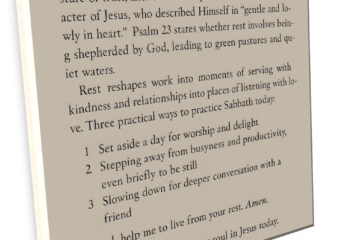
Religion frames moral priorities by locating human life within a larger story. Sacred texts and traditions identify what matters most—human dignity, covenantal fidelity, mercy, justice—and provide moral exemplars whose lives model virtues. Religious practices such as worship, confession, and Sabbath-keeping form character over time, not just choices in crisis. That formation influences how someone interprets ambiguous situations, which obligations feel pressing, and which goods are nonnegotiable.
How Ethics Clarifies Religious Intuition
Ethics disciplines and tests religious convictions. It offers concepts (duty, rights, consequence, virtue, justice), methods (case analysis, principle balancing, rule-hierarchy), and a vocabulary to resolve conflicts between values. Where religion may offer broad imperatives—love God, love neighbor—ethical reasoning translates those imperatives into specific courses of action when duties collide, scarce resources appear, or unintended harms arise. Ethics also helps religious communities accountably justify their positions to people who do not share the same faith commitments.
A Personal Illustration
In pastoral ministry and curriculum design I have encountered a sharp convergence of faith and ethical judgment. Early in ministry I led a small group where a participant confessed ongoing moral failure that put others at risk. My religious instincts called immediately to restore, forgive, and welcome the person back into the fold; my ethical training pushed for protective boundaries, transparent accountability, and concrete safeguards for those harmed. The intersection of faith and ethics required both love and prudence: I practiced confession and grace with the person while also implementing clear accountability steps and communicating boundaries to the group. The result honored the religious commitment to restoration and the ethical obligation to protect vulnerable members.
Practical Implications for Everyday Life
- Moral formation matters more than momentary decisions. Regular spiritual habits create the dispositions that make ethical choices easier and more consistent.
- Use both language sets. When explaining a decision to others, draw on religious reasons to show motive and ethical reasoning to show method.
- Expect and plan for conflict. When values clash—mercy versus justice, loyalty versus fairness—explicit ethical analysis prevents ad hoc choices that later cause regret.
- Build communities that hold both faith and reason. Congregations and teams thrive when they cultivate spiritual care and moral accountability together.
Conclusion
Religion supplies commitments, story, and character; ethics supplies critical tools, clarity, and procedures for resolving moral conflict. Together they produce decisions that are heartfelt and defensible, compassionate and responsible. In ministry, teaching, and everyday life the healthiest moral outcomes come when religious devotion and ethical reflection are held in creative tension, each correcting and completing the other.