By Lesallan
March 11, 2026
Stewarding the Commons: Community Renewable Energy for Small Wisconsin Towns
Abstract
Small Wisconsin towns such as Sheboygan Falls can realize immediate and long‑term benefits by investing in community renewable energy projects. Community solar and other shared‑renewable models can lower household energy costs, especially for renters and low‑income households, create local jobs and economic activity, and improve community resilience during grid outages. State and federal programs, cooperative financing models, and inclusive program design reduce upfront barriers and make pilot projects feasible. This paper presents the practical case for investment, addresses common objections, outlines financing and program design options, and offers brief Biblical reflections that connect stewardship and neighborly care to civic action on energy. (Keywords: community solar, Wisconsin, energy equity, resilience, stewardship)
Introduction
Small towns in Wisconsin have an opportunity to pursue community renewable energy projects that deliver measurable local benefits. Community models—shared solar arrays, municipal wind partnerships, and cooperative ownership—allow households that cannot host rooftop systems to participate and receive utility bill credits. Beyond direct savings, these projects can create local jobs, keep energy dollars circulating in the community, and improve resilience when centralized systems fail (U.S. Department of Energy, 2024; National Association of State Energy Officials, 2022). This paper argues that small Wisconsin towns should invest in community renewable energy because it reduces local energy costs, creates local economic activity and jobs, and increases resilience during outages.
Cost Savings and Equity
Community renewable projects reduce energy burdens by providing subscription‑based access to clean generation without requiring individual rooftop installations. This model is especially important for renters, multiunit housing, and homes with shading or unsuitable roofs. By aggregating demand and negotiating bulk contracts, towns can secure lower per‑kilowatt costs and pass savings to subscribers. Wisconsin pilots that used Office of Energy Innovation funds to purchase subscriptions for weatherization clients targeted households with high electricity burdens and produced measurable bill credits (U.S. Department of Energy, 2024). Design features to prioritize include reserved low‑income subscriptions, automatic enrollment for eligible households, and transparent billing protections.
Local Economic Benefits
Community projects generate construction and operations‑and‑maintenance (O&M) spending that can be captured locally through procurement and hiring commitments. Cooperative and community ownership models allow residents to capture financial returns that would otherwise flow to distant investors. Wisconsin cooperatives and co-ops are actively supporting community solar; for example, SolarShare Wisconsin Cooperative has pursued funding and capacity-building to spur projects statewide, demonstrating local organizational capacity to finance and scale projects (Duran, 2024). Even modest projects (1–5 MW) create short‑term construction jobs and ongoing maintenance roles that contribute to local employment and economic resilience.
Resilience and Program Support
Distributed generation sited near load centers reduces reliance on long transmission lines and can be paired with storage to keep critical facilities online during storms. Community projects can be integrated into municipal emergency planning, so towns maintain essential services during outages. Wisconsin’s Inclusive Shared Solar Initiative (WISCO) provides an implementation plan and technical guidance for inclusive community solar models, and federal and state grants can substantially lower upfront costs for towns (National Association of State Energy Officials, 2022). A practical next step for towns is to apply for Office of Energy Innovation funding and partner with a cooperative or community action agency to design a pilot project.
Counterargument and Rebuttal
Critics point to land use tradeoffs, subscription complexity, and maintenance obligations. These concerns are addressable: careful siting minimizes impacts on productive land; standardized subscription contracts and third‑party administration simplify enrollment; and maintenance can be contracted under long‑term service agreements. Community engagement and transparent decision-making reduce opposition and improve siting outcomes. Targeted grants and cooperative financing models reduce capital barriers, and technical assistance programs can help towns navigate regulatory and interconnection processes. When towns prioritize inclusive design—reserving shares for low‑income households and committing to local hiring—the social benefits often outweigh perceived costs (U.S. Department of Energy, 2024; National Association of State Energy Officials, 2022).
Biblical Reflection
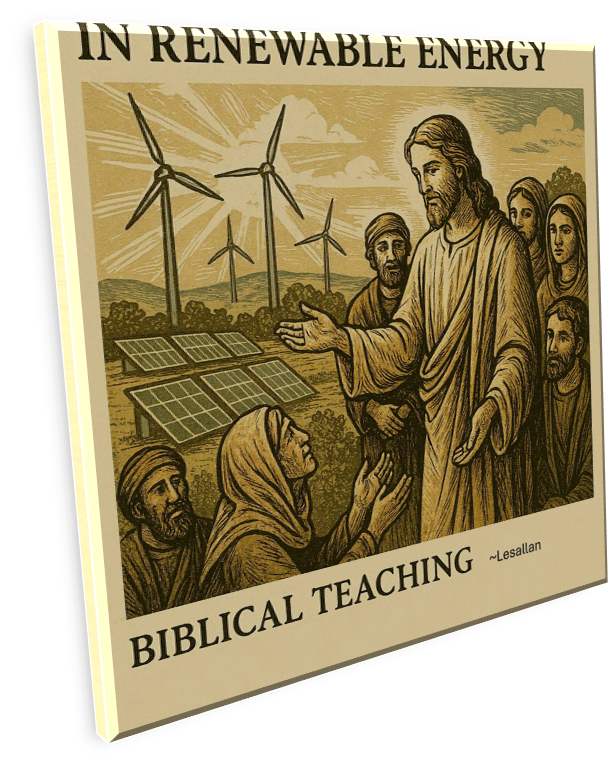
Biblical teaching offers ethical support for community investment in renewable energy through themes of stewardship, care for the vulnerable, and prudent planning. Scripture calls people to steward creation responsibly (Gen. 2:15, New International Version) and to act with foresight and diligence (Prov. 21:5, New International Version). Caring for neighbors—especially those who are poor or vulnerable—is a recurring moral imperative (Luke 10:27; James 2:15–16, New International Version). Investing in community energy aligns with these principles: it protects shared resources, reduces burdens on the least advantaged by lowering utility costs, and reflects prudent planning that benefits future generations. Framing renewable projects as an expression of communal stewardship can broaden local support and connect civic action to faith‑based motivations (New International Version, 2011, Gen. 2:15; Luke 10:27).
Conclusion and Recommended Steps
For towns like Sheboygan Falls, a practical, phased approach is advisable: (1) commission a feasibility study that assesses site options, subscription demand, and financing; (2) pursue available grant rounds and technical assistance (for example, Office of Energy Innovation funding and WISCO guidance); and (3) launch a 1–5 MW pilot with reserved low‑income subscriptions and local hiring commitments. This sequence balances fiscal prudence with moral purpose—delivering lower bills, local jobs, and greater resilience while honoring stewardship and neighborly care. By combining sound planning with community engagement and faith‑inspired motivation, small Wisconsin towns can make renewable energy a shared asset that strengthens both economy and community.
References:
Duran, E. (2024, September 25). Wisconsin co‑op pushes community solar projects. Finance & Commerce. https://finance‑commerce.com/2024/09/wisconsin-co-op-pushes-community-solar-projects/
National Association of State Energy Officials. (2022). Wisconsin’s Inclusive Solar Community Offering (WISCO): Implementation plan. (naseo.org in Bing)
U.S. Department of Energy. (2024, September 4). Community solar helps lower utility bills in Wisconsin. Office of Energy Efficiency & Renewable Energy. (energy.gov in Bing)


