Written by Lesallan – November 7, 2023
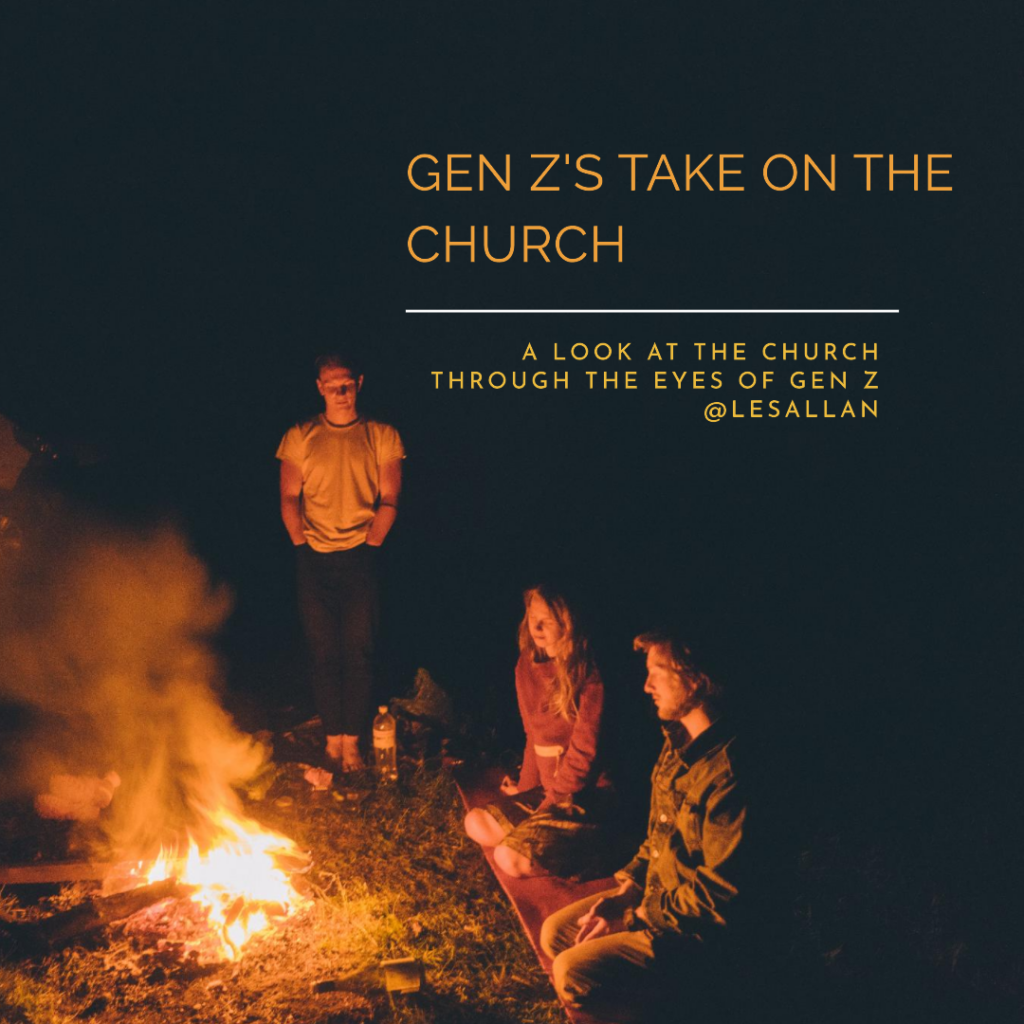
Generational Views of the Church – Gen Z
According to a study by Esqueda (2018), Gen Z is less religious than older generations. They are skeptical of religious institutions and authority figures but remain curious about spirituality and faith. Additionally, they value personal experience, authenticity, social justice, and environmental causes. Valente (2022) suggests that to build better relationships with Gen Z; the church can listen to their questions and concerns, offer opportunities to connect with God, leverage technology and social media to communicate effectively, and engage their senses and imagination with creative forms of art and worship. Esqueda (2018) and Graham (2022) also emphasize the importance of inviting Gen Z to participate in the church’s mission and empowering them to use their talents for God’s glory.
One point of relevance that the church should consider connecting with the selected Gen Z positively is the importance of authenticity and transparency. Gen Z values honesty and openness, especially from authority figures and institutions. They are skeptical of hypocrisy and superficiality and seek genuine relationships and meaningful experiences. The church can demonstrate authenticity and transparency by being honest about its strengths and weaknesses, successes and failures, and joys and struggles. The church can also invite Gen Z to participate in its decision-making processes, accountability structures, and community life. By doing so, the church can show that it respects and values Gen Z’s opinions, perspectives, and contributions. Moreover, the church can communicate that it is not a perfect institution, but a community of imperfect people who are saved by grace and who are striving to follow Jesus together. This point of relevance is biblically defensible, as the Bible commands Christians to be truthful (Ephesians 4:25, NIV), humble (Philippians 2:3-4, NIV), and transparent (James 5:16, NIV) with one another.
In Christ,
Les Allan
References:
Esqueda, O. (2018, November 14). What Every Church Needs to Know About Generation Z. Talbot Magazine – Biola University Blogs. https://www.biola.edu/blogs/talbot-magazine/2018/what-every-church-needs-to-know-about-generation-z
Graham, J. (2022, April 23). Perspective: Young adults are losing their religion. Are their parents to blame? Deseret News. https://www.deseret.com/2022/4/23/23013578/perspective-young-adults-are-losing-their-religion-are-their-parents-to-blame-gen-z-generation-x
Valente, J. (2022, March 23). How the church can build better relationships with Gen Z. U.S. Catholic. https://uscatholic.org/articles/202203/how-the-church-can-build-better-relationships-with-gen-z/