Lesallan | June 21, 2025
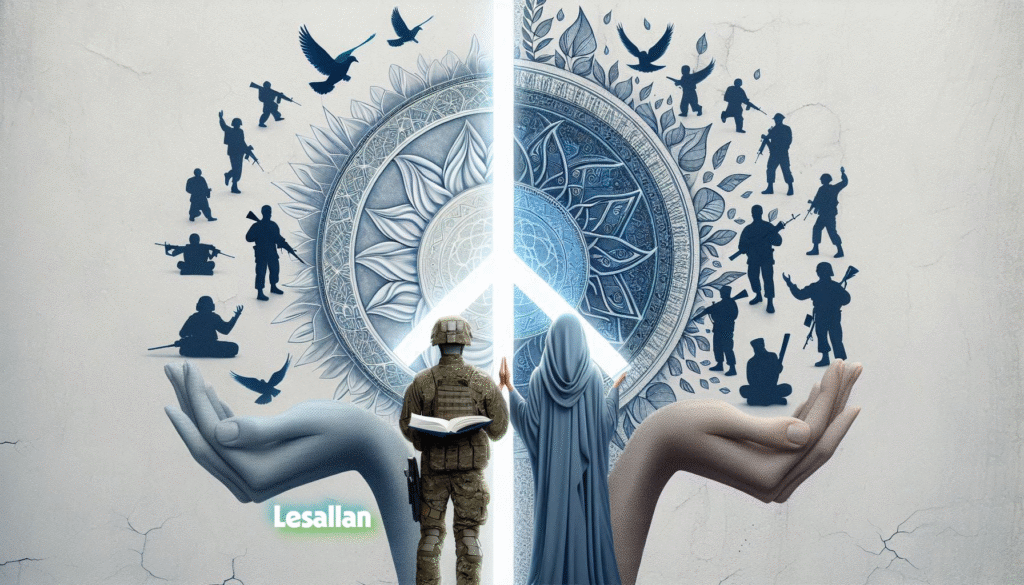
The Difference Between Peacekeeping and Peacemaking
There is a powerful distinction between the two. And I believe—it is more than semantics. While both peacekeeping and peacemaking aim to reduce conflict, their methods and spiritual implications differ significantly.
Peacekeeping often involves avoiding conflict to maintain surface-level harmony. It is about preserving calmness, even if that means suppressing the truth or avoiding necessary confrontation. This aligns closely with an avoidant conflict style, where discomfort is dodged rather than addressed. Peacekeepers may prioritize the absence of tension over the presence of justice.
Peacemaking, on the other hand, is an active and courageous endeavor. It involves stepping into conflict with the goal of reconciliation and restoration. Jesus did not shy away from conflict—He confronted injustice, challenged hypocrisy, and pursued truth, even when it was uncomfortable. In Matthew 5:9 (ESV), Jesus says, “Blessed are the peacemakers, for they shall be called sons of God.” Notice He does not say “peacekeepers.” Peacemakers reflect the heart of God by engaging in the hard work of healing relationships and restoring what is broken.
Paul echoes this in Romans 12:18 (ESV): “If it is possible, as far as it depends on you, live at peace with everyone.” This verse implies effort, intentionality, and sometimes sacrifice. True peace is not passive; it is forged through empathy, truth-telling, and grace.
So, are we called to be peacekeepers or peacemakers? Scripture points clearly toward the latter. Peacemaking is not about avoiding conflict but transforming it. It is the difference between silence and reconciliation, between comfort and courage.
What do you think—have you ever found yourself peacekeeping when you were being called to peacemaking? I would love to hear how this plays out in your own journey.
Blessings,
Lesallan