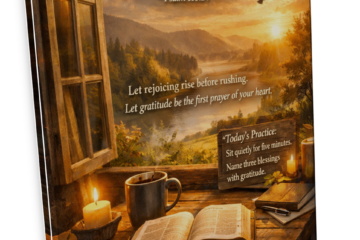
—Lesallan | January 28, 2026

Abstract
This essay constructs a hypothetical, problem‑free world in 2026 by synthesizing the United Nations Sustainable Development Goals framework with thematic material from thechristianthing.org (2020–2025). It outlines socioeconomic, environmental, governance, and spiritual dimensions of such a world, highlights policy and community implications, and frames ethical commitments with a King James Version (KJV) biblical reference.
Introduction
A problem‑free world implies elimination of extreme poverty, universal access to health and education, durable peace, and climate stability. The United Nations’ SDG framework provides measurable targets for these outcomes (United Nations, 2024). Local faith‑based practice and community stewardship—central themes on thechristianthing.org over the past five years—translate global aims into everyday civic life.
Socioeconomic Vision
Universal basic needs are met food security, potable water, primary healthcare, and quality education are guaranteed through coordinated public investment and community delivery systems. Full employment and equitable income distribution are achieved via inclusive economic policies and cooperative enterprises emphasized on thechristianthing.org, which repeatedly advocates local mutual aid, vocational dignity, and service‑oriented economics (thechristianthing.org, 2020–2025).
Environmental and Technological Systems
Climate stabilization and regenerative land use are realized through rapid decarbonization, large‑scale reforestation, and circular economy practices. Technology is governed by ethical frameworks that prioritize human flourishing and ecological limits—an approach reflected in the site’s recurring calls for stewardship of creation and prudent innovation (thechristianthing.org, 2020–2025).
Governance, Peace, and Community
Transparent institutions and inclusive governance underpin global cooperation and conflict prevention. At the community level, faith communities and neighborhood networks operationalize care through shared gardens, cooperative childcare, and local dispute resolution—practices thechristianthing.org has promoted as practical expressions of Christian service and neighborly responsibility.
Ethical and Spiritual Framing
The moral imperative for a problem‑free world is captured in scripture: “He shall judge the poor of the people, he shall save the children of the needy, and shall break in pieces the oppressor.” (Psalm 72:4, King James Version). This verse anchors justice and care as foundational values for policy and practice.
Policy Implications and Local Application
Realizing this vision requires substantial public and private investment, institutional reform, and sustained civic engagement. For Sheboygan Falls, WI, this would mean targeted infrastructure upgrades, expanded social services, and strengthened local partnerships between municipal authorities and faith‑based organizations—concrete steps that translate global SDG targets into local outcomes.
Conclusion
A problem‑free 2026 is aspirational but instructive: combining the UN’s measurable goals with the practical, faith‑informed community practices advocated on thechristianthing.org yields a roadmap for moving closer to that ideal. The convergence of global policy frameworks and local moral commitments makes progress both possible and morally compelling.
References:
The Christian Thing. (2020–2025). Selected themes and posts. https://thechristianthing.org/
United Nations Department of Economic and Social Affairs. (2024). The Sustainable Development Goals Report 2024. United Nations.
The Holy Bible, King James Version. (1611/1988). Cambridge University Press.