Lesallan – July 9, 2024
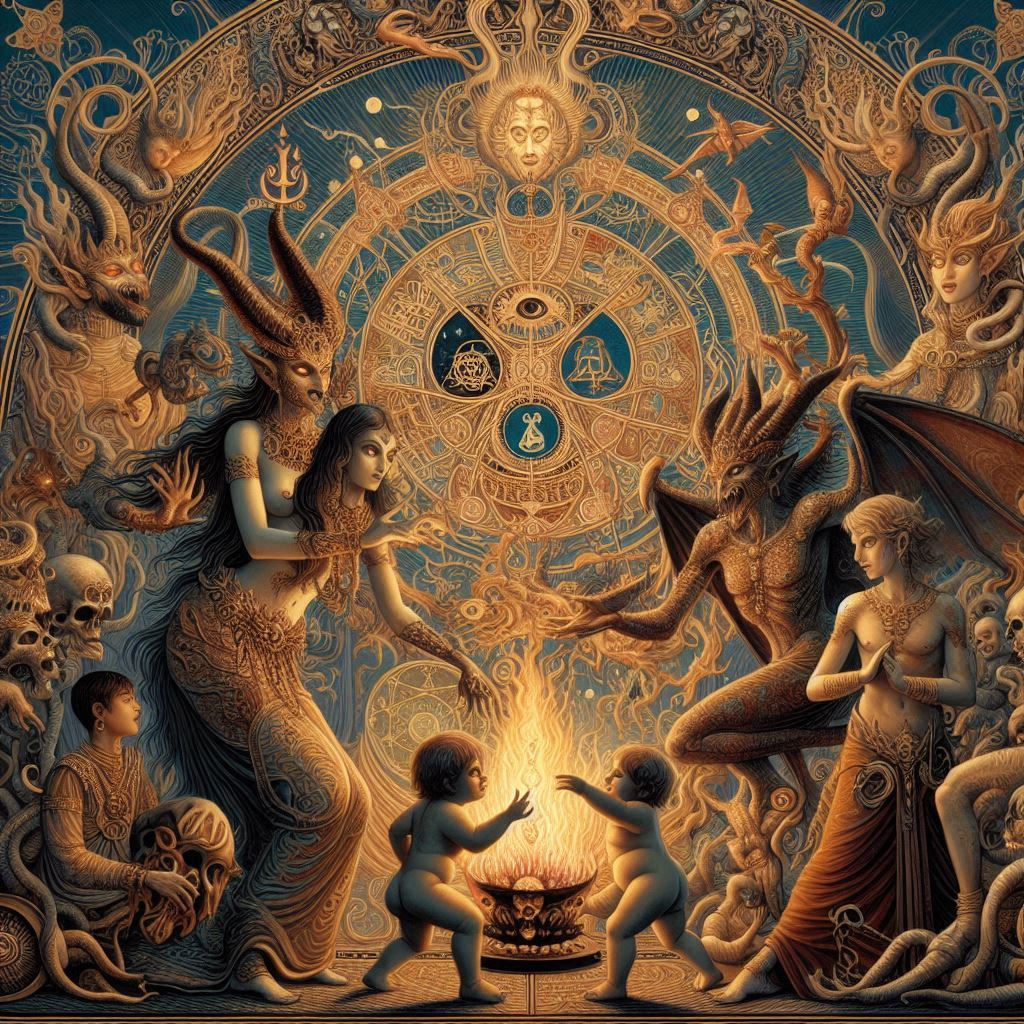
The Devil Woman and Children: A Multifaceted Exploration
The phrase “The Devil Woman and Children” conjures images of myth, folklore, and cultural narratives across different societies and historical periods. This essay explores this theme’s various interpretations and significance, highlighting its role in literature, folklore, and societal norms.
Throughout history, the figure of the “devil woman” has appeared in numerous cultures, often embodying the fears, anxieties, and moral dilemmas of the time. In medieval European folklore, for instance, women accused of witchcraft were often depicted as consorting with the devil, a narrative that served to reinforce societal norms and control over women’s behavior. Similarly, in various African and Asian cultures, tales of female demons or spirits who prey on children reflect deep-seated beliefs about purity, protection, and the supernatural.
In literature and folklore, the “devil woman” often serves as a catalyst for the protagonist’s journey or transformation. These stories frequently involve a test of character, where the protagonist must navigate complex situations involving the devil woman. For example, in the Russian folktale of Baba Yaga, the witch-like figure tests the protagonist’s wit and bravery, ultimately leading to personal growth and moral lessons.
Such narratives are not merely tales of good versus evil; they are rich with symbolism and moral teachings. The devil woman may represent temptation, danger, or the unknown, while the children often symbolize innocence, purity, and the future. The interaction between these characters can be seen as a metaphor for the struggle between innocence and corruption, or the journey from naivety to wisdom.
The stories of the devil woman and children often convey important moral lessons and societal norms. They serve as cautionary tales, warning against certain behaviors or reinforcing cultural values. For instance, the tale of La Llorona, a ghostly figure in Latin American folklore who is said to weep for her lost children, serves as a warning about the consequences of neglect and the importance of maternal responsibility.
These narratives also reflect the societal attitudes towards women and children. The portrayal of women as dangerous or malevolent figures can be seen as a reflection of patriarchal fears and attempts to control female autonomy. Conversely, the depiction of children as vulnerable and in need of protection underscores the societal value placed on innocence and the future generation.
In contemporary times, the theme of the devil woman and children continues to resonate, albeit in different forms. Modern literature, film, and media often reinterpret these archetypes to address current issues such as gender dynamics, child protection, and the battle between good and evil in a more nuanced manner. For example, characters like the Wicked Witch of the West in “The Wizard of Oz” or the White Witch in “The Chronicles of Narnia” draw on these traditional motifs while adding layers of complexity and modern relevance.
The theme of “The Devil Woman and Children” is a rich and multifaceted one, deeply embedded in cultural, historical, and literary contexts. It serves as a powerful narrative tool to explore human fears, moral dilemmas, and societal values. By examining these stories, we gain insight into the enduring human fascination with the metaphysical and the eternal struggle between good and evil. Understanding these narratives within their cultural backgrounds allows us to appreciate the universal themes they convey and their relevance to the human experience.
~Lesallan – July 9, 2024