Written By Lesallan – August 21, 2023
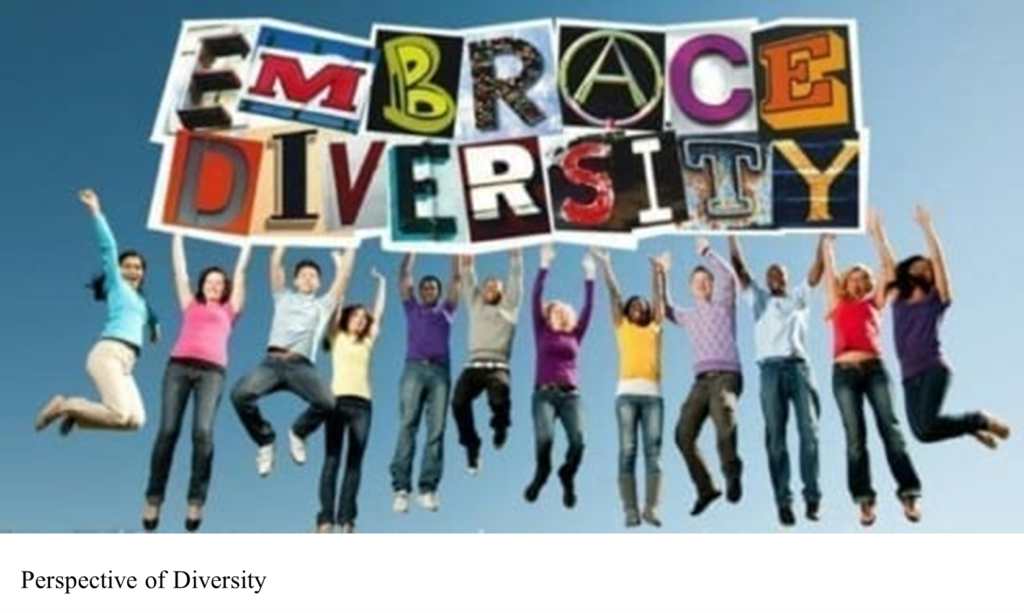
Hello, this is Lesallan, and I would like to share some thoughts on the biblical perspective of diversity. I always appreciate your interest in this topic and respect your views.
Hello, this is Lesallan, and I agree that diversity is a God-created good that reflects the unity and diversity of the Triune God. The Bible affirms that God is one in essence and three in person: Father, Son, and Holy Spirit. This means that God is both one and many and that he exists in perfect harmony and love within himself. God also created human beings in his image and likeness, which means that we reflect his attributes, such as rationality, creativity, morality, and relationality. Therefore, human diversity reflects God’s diversity, and human unity is a reflection of God’s unity.
However, the Bible also teaches that human diversity and unity have been distorted by sin. Sin is the rebellion of human beings against God and his will, resulting in alienation from God, us, others, and creation. Sin affects every aspect of human life, including our relationships with people who are different from us. Sin causes us to be selfish, prideful, prejudiced, hostile, and violent towards others8. Sin also causes us to be ignorant, indifferent, or apathetic towards the needs and sufferings of others9. Sin prevents us from loving God and our neighbors as ourselves.
But the good news is that God has not given up on his creation. He has sent his Son, Jesus Christ, to die for our sins and to rise again for our justification. Jesus Christ is the only Savior and Lord of all people, regardless of race or culture. He is also the ultimate example of how to live in diversity and unity with others. Through his life, death, and resurrection, He reconciled us to God and one another. He has broken down the wall of hostility that separates us from each other. He has created a new humanity that transcends the divisions of race, ethnicity, nationality, gender, class, or any other human category. He has given us his Spirit to empower us to live as his witnesses in the world.
Therefore, as followers of Christ, we are called to celebrate and embrace diversity as a gift from God. We are also called to pursue unity as a command from God. We are called to love God with all our heart, soul, mind, and strength. We are also called to love our neighbors as ourselves. We are called to seek justice for the oppressed. We are also called to show mercy to the needy. We are called to walk humbly with God. We are also called to walk in peace with others.
This is not an easy task, but it is a worthwhile one. It is a task that requires faith in God’s grace. It also requires obedience to God’s word. It requires humility before God’s sovereignty. It also requires respect for God’s image. It requires repentance from our sins. It also requires forgiveness for others’ sins. It requires courage to face our fears. It also requires compassion to share our joys.
I hope this helps you understand more about the biblical perspective of diversity. If you have any questions or comments, please feel free to reply. I would love to hear from you again!
~Lesallan – August 21, 2023