Spiritual Growth, Connection, and Fruitfulness Through the Teachings of Scripture
Lesallan
Growing on the Vine of Life: Insights from the King James Bible
Spiritual Growth, Connection, and Fruitfulness Through the Teachings of Scripture
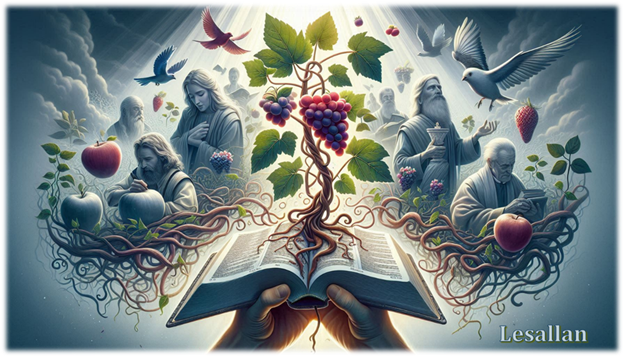
Growing on the Vine of Life: Insights from the King James Bible
Introduction
The metaphor of the vine is a profound and enduring image in the King James Bible, offering deep insight into spiritual growth, communion with God, and the journey of faith. To grow on the “vine of life,” according to scripture, means to be intimately connected to Christ, to draw sustenance from Him, and to bear fruit that glorifies God. This passage explores how spiritual growth and flourishing are made possible by remaining in Christ, as detailed in the teachings of the King James Bible.
The Vine and the Branches: Foundational Scripture
At the heart of this teaching is John 15:1-8, a passage in which Jesus identifies Himself as the “true vine” and His followers as the branches:
🌿 Blog Series Title: Abide: Growing on the Vine of Life
Series Overview
This multi-part series explores the profound metaphor of the vine from John 15, tracing its biblical roots, theological interpretations, and practical implications for today’s discipleship and congregational life. Each post guides readers from contemplation to application, encouraging spiritual growth through Christ-centered abiding.
📖 Part I — The True Vine: Christ Our Source
Theme: Introduce the metaphor and unpack John 15:1–8.
Key Insight: Abiding in Christ is the foundation for spiritual vitality and fruitfulness.
Takeaway: Apart from Him, we bear no fruit; in Him, we flourish.
📜 Part II — Roots of Wisdom: Historical Reflections on the Vine
Theme: Explore patristic, medieval, Reformation, and modern views.
Key Insight: The vine has shaped Christian thought across centuries—highlighting sacramental union, ethical transformation, and communal identity.
Takeaway: We stand in a legacy of believers who understood fruitfulness as grace-filled growth.
🌱 Part III — Discipleship in the Garden of Grace
Theme: Apply the metaphor to contemporary discipleship.
Key Insight: Spiritual growth requires dependence, pruning, and intentional rhythm.
Takeaway: Fruitfulness blossoms from relational abiding, not religious performance.
🏡 Part IV — Cultivating a Vine-Formed Community
Theme: Explore implications for congregational formation.
Key Insight: Churches thrive when they embody interconnectedness, surrender to pruning, and center on Christ.
Takeaway: The Church is not an institution to build, but a garden to tend.
🙏 Part V — Devotional Abiding: Praying, Creating, Growing
Theme: Offer practical approaches for personal devotional engagement.
Key Insight: Abiding involves listening, reflecting, and responding creatively to Christ.
Takeaway: Practices like lectio divina, visual devotion, and soul journaling deepen our connection to the Vine.
Blessings,
Lesallan